Concrete Patio Maintenance in Channelview, TX: A Local Homeowner's Guide
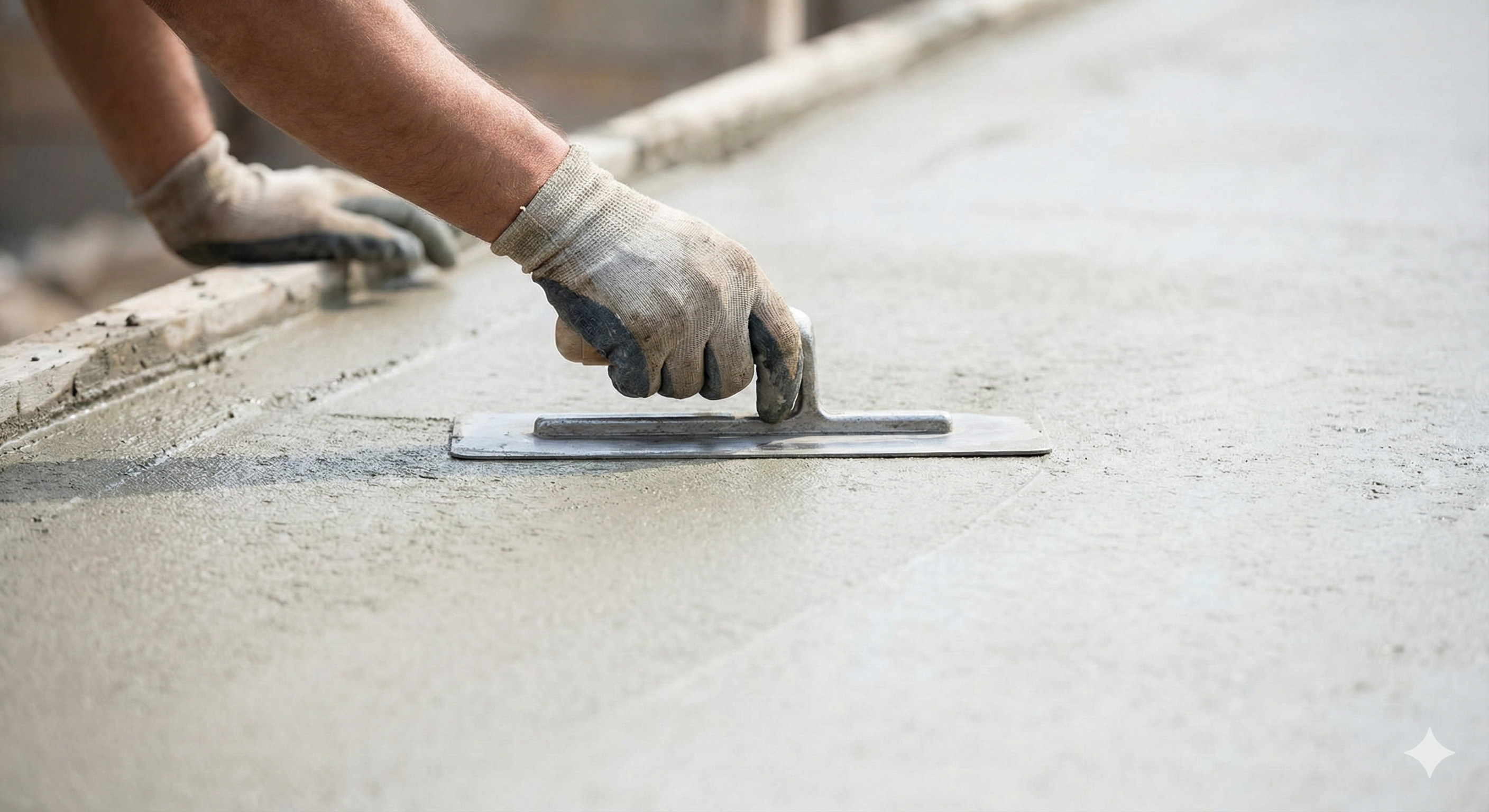
A well-built concrete patio should make your backyard easier to enjoy, not harder to maintain. But in Channelview, Sterling Green, and East Houston, patios take a beating from summer heat, sudden downpours, tree debris, humidity, and expansive clay soil. A few smart habits can keep your slab looking clean, draining correctly, and lasting for decades.
This guide is for homeowners who already have a patio and want to protect it. If you are still planning a new outdoor space, start with our guide to stamped concrete patios in Channelview, then use this maintenance checklist after the project is complete.
Need help with patio repairs or sealing? Call (281) 600-8993 or request a free concrete estimate. We serve Sterling Green, Channelview, Cloverleaf, Jacinto City, Galena Park, Pasadena, Deer Park, Baytown, and nearby East Houston communities.
Why Patio Maintenance Matters More in East Houston
Concrete is durable, but it is not maintenance-free. Local weather is the reason. Channelview patios often move through months of high heat, humid mornings, heavy rain, and dry spells that shrink the clay beneath the slab. That movement can open hairline cracks, stress control joints, and cause water to settle where it should not.
The goal of maintenance is simple: keep water moving off the surface, keep the sealer protecting the concrete, and catch small cracks before they turn into trip hazards. Those basics apply whether your patio is a plain broom-finish slab, a decorative stamped surface, or part of a larger driveway and walkway project.
Clean the Surface Before Stains Set In
The best patio cleaning schedule is boring because it works. Sweep leaves, pine needles, grass clippings, and dirt off the slab once a week during heavy-use seasons. Organic debris holds moisture against the concrete and can leave dark stains, especially in shaded backyards.
- For routine dirt: Use a broom, garden hose, and mild dish soap or a concrete-safe cleaner.
- For grill grease: Blot fresh spills right away, then clean with a degreaser made for concrete.
- For rust stains: Move metal furniture, fire pits, and plant stands before they leave permanent marks.
- For mildew: Improve sunlight and airflow where possible, then clean with a product labeled safe for concrete.
Pressure washing can help, but it needs restraint. A narrow, aggressive tip can etch the surface, strip sealer, and expose aggregate. If the patio is stamped or colored, test a hidden area first or let a concrete professional handle it.
Reseal Every 2 to 3 Years
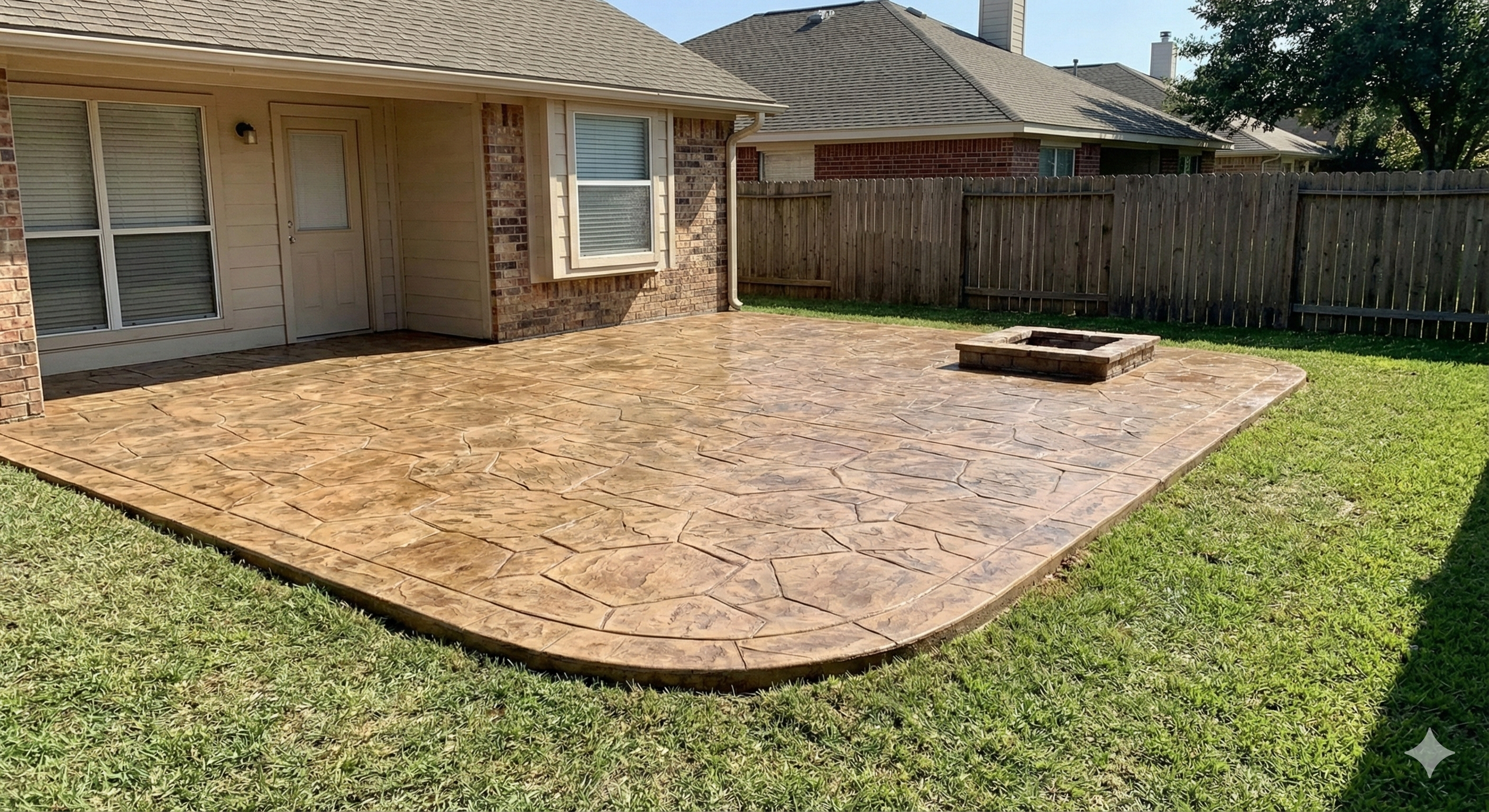
Sealer is the protective layer between your patio and everything East Houston throws at it: UV exposure, rain, spills, pool water, and daily foot traffic. Most patios in the Channelview area should be resealed every 2 to 3 years. High-traffic entertainment spaces, outdoor kitchens, and patios around pools may need attention sooner.
Signs your patio is ready for sealer include faded color, water soaking in instead of beading on the surface, dull stamped concrete, and stains that are harder to clean than they used to be. If the patio has an old failing sealer, the surface may need cleaning or stripping before a new coat is applied. Adding sealer over a dirty or peeling surface only traps the problem underneath.
Keep Drainage Moving Away From the Slab
Standing water is one of the fastest ways to shorten the life of a concrete patio. Water that sits along the edge of the slab softens the surrounding soil, encourages settlement, and can worsen cracks during repeated wet and dry cycles.
After a heavy rain, walk the patio and look for puddles that last more than a few hours. Check downspouts, flower beds, and low spots near the slab edge. Gutters should discharge away from the patio, soil should not be piled above the slab, and landscaping should not trap water against the concrete.
If water is running toward your home, garage, or foundation, do not ignore it. Drainage corrections are easier before the slab starts moving. Our concrete services include patio replacement, driveway replacement, walkways, and grading-focused concrete work for local soil conditions.
Handle Cracks Early
Small hairline cracks are common in concrete. They are often cosmetic, especially when they follow control joints or stay narrow. The cracks to watch are the ones that widen, collect water, create uneven edges, or spread from the patio into a walkway or driveway.
- Hairline cracks: Monitor them and keep them sealed so dirt and moisture do not work deeper into the slab.
- Wide cracks: Have them inspected, especially if one side is higher than the other.
- Repeated cracking: Look for a drainage, base, root, or soil movement problem under the surface.
- Cracks near the house: Check slope and drainage before water reaches the foundation.
If your patio issues are part of a larger concrete problem, our article on updating an old concrete driveway in Channelview explains when repair stops making sense and full replacement becomes the stronger investment.
Protect Edges, Joints, and High-Stress Areas
Edges and joints deserve extra attention because they are where small problems usually show up first. Keep soil and mulch slightly below the top of the slab so water can drain away. Do not let tree roots lift nearby walkways or patio corners without getting an opinion early. Avoid driving lawn equipment or heavy trailers over patio edges that were not designed for vehicle loads.
For stamped patios, the pattern can hide control joints well, but those joints still need to do their job. Keep them clean and avoid filling them with hard materials that prevent movement. Flexible joint material is usually a better choice when a joint needs to be sealed.
Seasonal Patio Checklist for Channelview Homeowners
Use this simple schedule to stay ahead of expensive repairs:
Spring
- Wash off winter dirt, pollen, and mildew.
- Check for cracks that opened during cooler months.
- Confirm downspouts and yard drains are clear before storm season.
Summer
- Move rugs and planters occasionally so moisture does not stay trapped.
- Clean grill grease quickly after cookouts.
- Watch for fading or dull sealer under direct sun.
Fall
- Sweep leaves and pine needles before they stain.
- Trim landscaping away from slab edges.
- Inspect patio-to-walkway transitions for movement.
Winter
- Keep heavy fire pits and furniture feet from scratching sealed surfaces.
- Avoid harsh chemicals if a rare freeze hits the area.
- Schedule repairs before spring rain exposes drainage issues.
When to Call a Concrete Contractor
Maintenance can prevent many problems, but some issues need an experienced eye. Call a local contractor if the patio has sinking sections, cracks wider than a quarter inch, water flowing toward the house, loose or peeling sealer, deep scaling, or trip hazards where the slab meets a walkway.
Local knowledge matters. A patio in Sterling Green is not the same as a patio in a dry climate with sandy soil. The contractor should understand clay movement, drainage, reinforcement, control joints, and the way Houston-area weather affects curing and sealing. For homeowners outside our service area, a specialist such as concrete patio contractors in North Texas can bring that same local perspective to patio work in their market.
Ready to Protect Your Patio?
A concrete patio is easier to maintain when small tasks happen before damage spreads. Keep it clean, seal it on schedule, move water away from the slab, and get cracks checked before they become safety issues. That is how Channelview homeowners get more life from their outdoor concrete.
Get Patio Help From Local Concrete Specialists
No pressure. No hidden fees. Just practical advice for your Channelview concrete project.
Call (281) 600-8993 Request a Free Estimate